

AI + Urban Heat Conference 2026
Using Artificial Intelligence to advance urban heat forecasting, preparedness, and economic resilience.



About the Event
Event Overview
AI + Urban Heat is a focused global conference examining the growing challenges cities and institutions face in managing rising urban heat risks, and exploring how governments, practitioners, and industry leaders are approaching the implementation of practical resilience and heat management solutions.
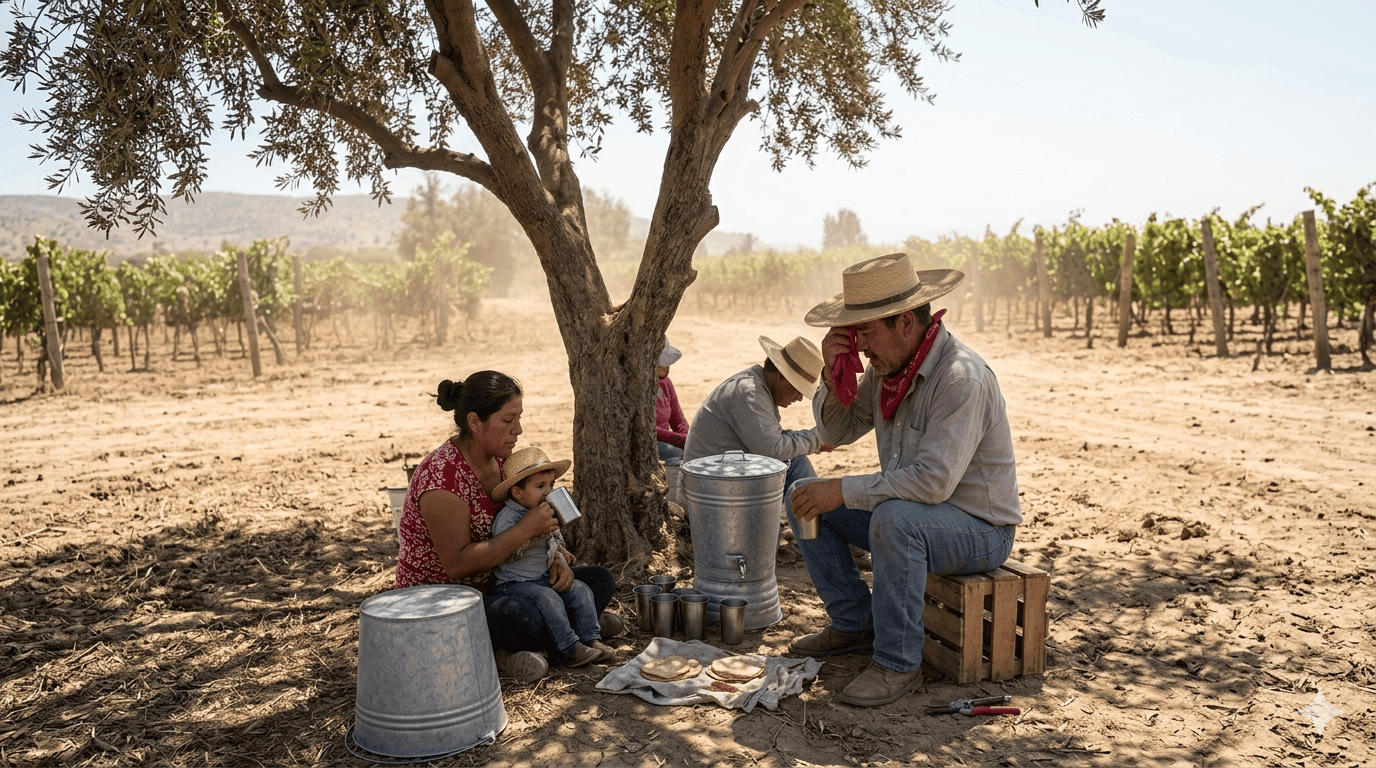
Impact Areas
Why Urban Heat Matters ?
Urban heat is emerging as one of the fastest-growing climate resilience challenges affecting cities worldwide, with significant impacts on public health, infrastructure, workforce productivity, energy systems, and long-term urban sustainability.
What We Set Out To Do
Conference Objectives
Examine the growing urban heat challenges affecting cities, communities, and infrastructure.
Explore stakeholder perspectives on current approaches, implementation realities, and operational gaps in urban heat management.
Share practical strategies and global best practices for strengthening urban heat preparedness and adaptive resilience.
Assess the economic and operational implications of rising urban heat risks across public and private sectors.
Explore how AI, digital technologies, and data-driven systems can support forecasting, preparedness, and informed decision-making in urban heat management.
Brought to you by
Organising Partners
A coalition of organisations uniting technology, research, and governance expertise to shape the future of urban resilience.

Advancing Immersive Intelligence for Preparedness and Resilience
Bell Immersive is a technology-driven organisation specialising in immersive technologies, AI-enabled simulations, and digital solutions that enhance preparedness, training, and decision-making in complex and high-risk environments.

AI for Early Warning, Preparedness, and Emergency Decision Support
ALERTSim demonstrates how AI can be operationalised to support early warning interpretation, preparedness planning, and coordinated response—ensuring that technology directly supports human decision-makers and institutions when it matters most.
Shaping Risk Governance and Strategic Resilience
WCMR – Withstanding Crisis: Managing Risk focuses on strengthening risk governance, strategic foresight, and resilience frameworks for governments, institutions, and organisations operating in an increasingly complex risk landscape.

Applied AI Research & Policy Intelligence
Delivering applied AI research, policy insights, and implementation frameworks that bridge artificial intelligence with real-world humanitarian and public-sector challenges.
ALERTSim
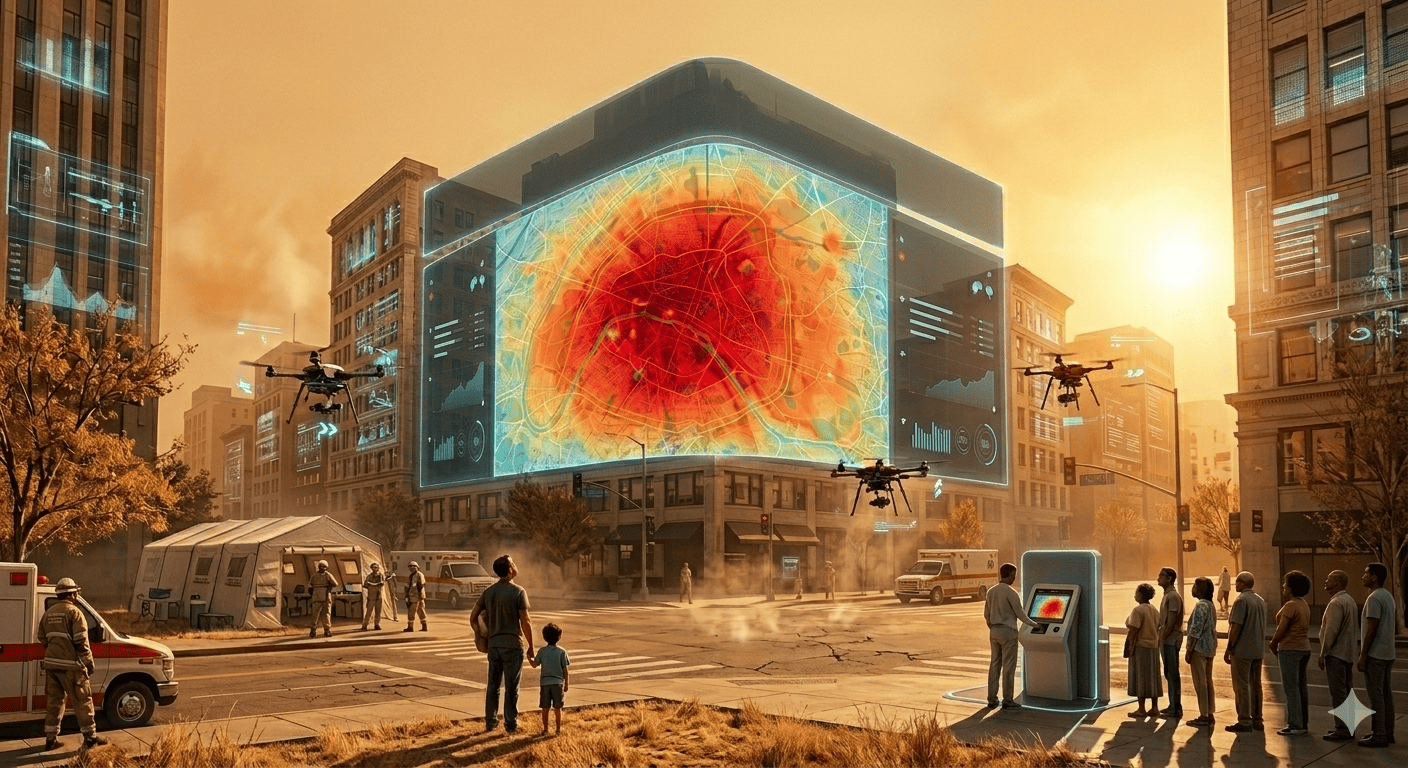
From Early Warning to Early Action through AI
ALERTSim — an AI-powered platform designed to help organisations translate early warnings into timely, informed action.
In urban heat management, the challenge is often not the lack of data, but the ability to interpret heat risk signals, anticipate escalation, and act before impacts occur.
ALERTSim addresses this gap by combining predictive analytics, real-time data integration, and scenario-based intelligence to support preparedness, anticipatory decision-making, and response readiness.
ALERTSim Supports
Heat Warning Interpretation
Enhanced interpretation of urban heat warning signals and evolving risk conditions
Anticipatory Preparedness
Anticipatory preparedness through heat scenario planning and stress-testing
Decision Support
Faster, clearer decisions linked to predefined heat risk thresholds
Coordinated Response
Improved coordination when urban heat risks escalate into emergencies
At the conference, ALERTSim will be showcased as a practical, operational example of how AI can strengthen the connection between urban heat early warning systems, preparedness, and early action — reinforcing the shift from reactive response to anticipatory, risk-informed action.
Explore ALERTSimAgenda Overview
Opening Remarks and Conference Context Setting
Keynote Address
Featured Host Perspectives / Strategic Remarks
Urban Heat Early Warning
Urban Heat Preparedness
Economic Impact of Urban Heat
Interactive Live Q&A
Closing Reflections and Key Takeaways
Expert Presentations
Curated talks from leading practitioners, researchers, and policymakers on urban heat solutions.
Moderated Discussion
Structured dialogue across disciplines to surface real challenges and actionable insights.
Stakeholder Dialogue
Direct exchange between government, industry, and civil society on implementation priorities.
Interactive Q&A
Live audience engagement with speakers and panelists across all conference themes.
Virtual Live Conference
Fully virtual, globally accessible event hosted on Zoom — join from anywhere in the world.
Global Expert Panels
Multi-perspective panels featuring voices from across government, academia, and the private sector.
Implementation-Focused Discussions
Practical conversations centred on what works — lessons learned and scalable approaches.
Practical Case Studies
Real-world examples of urban heat management deployed across cities and institutions.
Event Hosts
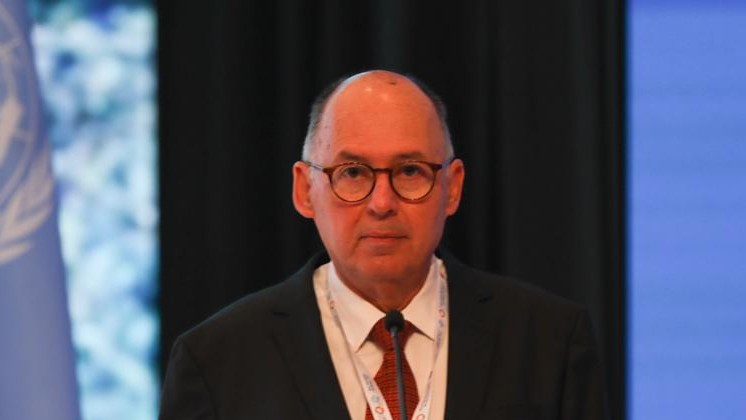
Ricardo Mena
Ricardo Mena is a globally recognised leader in disaster risk reduction, resilience, and risk governance, with decades of experience shaping international policy and operational frameworks for governments and multilateral institutions.
He previously served as Director at the United Nations Office for Disaster Risk Reduction (UNDRR), where he played a pivotal role in advancing global DRR strategies and supporting countries in translating international frameworks into national and regional action.
As Co-Founder of WCMR and Global Advisor to ALERTSim, Ricardo brings a strategic and governance-focused lens to the AI + Urban Heat dialogue.
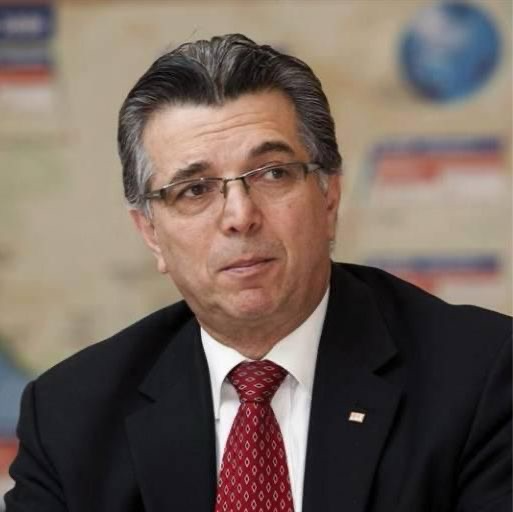
Walter Cotte
Walter Cotte is a distinguished humanitarian leader with extensive global experience in emergency response, disaster preparedness, and resilience building across complex crisis and humanitarian environments.
He previously served as Under-Secretary General at the IFRC, where he led large-scale emergency operations and supported national societies in strengthening response and preparedness capabilities.
As Co-Founder of WCMR and Global Advisor to ALERTSim, Walter grounds discussions on AI-enabled solutions in the realities of field operations and human-centred decision-making.

Ashish Kulkarni
Ashish Kulkarni is the Founder and Executive Lead behind Bell Immersive and ALERTSim, where he focuses on applying artificial intelligence to strengthen crisis and disaster risk management across complex, high-risk environments.
With a practitioner's background spanning energy, infrastructure, aviation, ports, and public-sector emergency systems, Ashish works at the intersection of technology, operational decision-making, and preparedness.
He brings a systems-level perspective on how AI can be operationalised across the full emergency management lifecycle.

Ashwina Kulkarni
Ashwina Kulkarni is Director – Strategy & Growth at Bell Immersive and ALERTSim, where she leads the strategic adoption and scaling of AI-enabled solutions for disaster risk reduction and emergency preparedness.
Her work focuses on helping governments, enterprises, and humanitarian organisations translate advanced technology into organisational readiness, ensuring that AI is implemented responsibly and effectively.
Ashwina brings a critical lens on strategy, adoption, and impact—addressing how institutions can successfully integrate AI into their people, processes, and leadership structures.
Built For Leaders
This conference is designed for senior professionals and decision-makers across sectors who are shaping the future of urban heat resilience.
Government & National Authorities
Ministries and national bodies responsible for climate, urban, and emergency policy
City & Municipal Governments
Local and regional authorities leading urban resilience and heat adaptation strategies
Urban Planning & Infrastructure
Professionals shaping built environments, land use, and city infrastructure
Climate, Resilience & DRR Experts
Practitioners and specialists in disaster risk reduction and climate adaptation
Public Health & Emergency Management
Agencies coordinating heat-related health responses and emergency preparedness
Humanitarian & Development Organizations
International and national bodies supporting vulnerable communities at risk from heat
Technology & AI/Data Providers
Solution developers building AI, data, and digital tools for urban heat management
Academia, Think Tanks & Policy Institutions
Researchers and policy institutions advancing knowledge on heat risk and urban climate
Private Sector in Urban Resilience
Companies and investors in infrastructure, real estate, and resilience services
What We'll Cover
Urban Heat Early Warning
Explore the challenges and current capabilities associated with forecasting and communicating urban heat risks, including stakeholder experiences, implementation gaps, and the role of forecasting systems, climate intelligence, predictive analytics, and AI-enabled tools in strengthening heat risk detection and anticipatory action.
Urban Heat Preparedness
Examine how cities and institutions are preparing for and responding to extreme heat events, including readiness planning, infrastructure adaptation, public health preparedness, cooling interventions, and cross-agency coordination.
Economic Impact of Urban Heat
Assess the broader economic and operational implications of rising urban temperatures on businesses, infrastructure, and urban systems, including productivity loss, business continuity, infrastructure strain, resilience investment, and adaptation planning.
Secure Your Seat
Join global leaders, practitioners, and innovators at the AI + Urban Heat Conference 2026.
Date
24 June 2026
Time
5:30 - 8:30 PM UAE
Format
Virtual - Zoom
Registration Form
Partner & Connect
Join a global community of leaders shaping the future of climate resilience and urban innovation.
Sponsorship Opportunities
Partner with AI + Urban Heat to position your organization at the forefront of climate resilience, urban innovation, and technology-enabled preparedness.
Brand visibility across a global resilience-focused audience
Positioning alongside industry and policy leaders
Speaking / participation opportunities (subject to package)
Access to senior decision-makers and stakeholders
Association with innovation in climate resilience and urban heat management
Get in Touch
We're here to help
Reach out to our team for anything related to the conference — registration, speaking, or partnerships.
We can help with
Registration Queries
Sponsorship Opportunities
Speaker Participation
Partnership Enquiries
Stay updated with latest insights & events